
Film editing is often called the 'invisible art,' but some techniques are designed to be noticed. The match cut is one such technique—a powerful, intelligent transition that connects two different shots by linking them through a shared visual element, action, or idea. When executed well, a match cut can create a seamless flow, draw a thematic comparison, or compress time in a startlingly creative way.
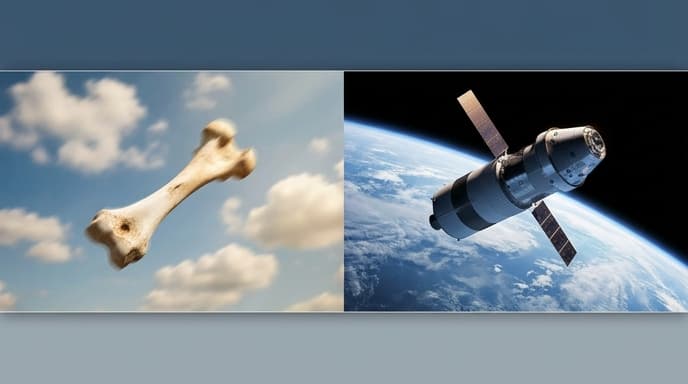
Perhaps the most famous example comes from 2001: A Space Odyssey, where a prehistoric ape-man throws a bone into the air. As it spins, the film cuts to a similarly shaped, spinning satellite in orbit. In a single edit, millions of years of human technological evolution are traversed. This is the power of the match cut.
The Three Main Types of Match Cut
While the core idea is to match elements between two shots, match cuts can be broken down into a few distinct categories based on what, exactly, is being matched.
- Graphic Match: This is the most common type, where the editor matches the shape, color, or composition of the outgoing shot with the incoming one. The bone-to-satellite cut is a perfect example. Another might be cutting from a spinning record on a turntable to the spinning wheel of a speeding car.
- Match on Action: This technique creates a seamless sense of continuous motion by cutting between two different shots of the same action. Imagine a character starting to open a door from outside a room, and as their hand turns the knob, the edit cuts to an interior shot of the door opening from the other side. The action feels like a single, uninterrupted movement.
- Audio Match: Here, the connection is sound-based. A character's scream might be cut short and replaced by the sound of a train whistle, linking the two scenes thematically and creating a jarring or clever transition.
Why a Match Cut Is More Than Just a Transition
Unlike a simple fade or a straight cut, a match cut forces the audience to make a connection. It's an active piece of storytelling, not just a passive way to get from scene A to scene B. By juxtaposing two different images or ideas, the filmmaker can create metaphors and draw parallels that wouldn't exist otherwise.
A match cut can suggest a character's internal thoughts, show the consequence of an action, or highlight a recurring theme. It's a tool that respects the audience's intelligence, asking them to see the link that the editor has so carefully constructed.
How to Recognize Match Cuts When You Watch a Film
Start paying attention to major scene transitions. When the location or time period changes dramatically, look at the last frame of the outgoing scene and the first frame of the new one. Does a shape in the first shot line up perfectly with a shape in the second? Does an action seem to flow impossibly smoothly across the cut? If so, you've likely spotted a match cut. Recognizing them adds a new layer of appreciation for the artistry of film editing.
Frequently Asked Questions
Is a jump cut the same as a match cut?
No, they are opposites. A jump cut is a jarring edit between two very similar shots that breaks continuity, often by removing a few frames from the middle of a clip. A match cut is a smooth edit between two different shots that creates continuity.
What is an eyeline match?
An eyeline match is a specific type of continuity edit where a shot of a character looking at something off-screen is followed by a shot of what they are looking at. It helps establish the geography of a scene.
Are match cuts only used in movies?
Not at all. They are used in television, commercials, and music videos—any form of video editing where a creative or thematic transition is needed.
Key Takeaways
- A match cut is a film editing technique that connects two shots by matching their visual, auditory, or conceptual elements.
- The main types are graphic matches (matching shapes), matches on action (matching movement), and audio matches (matching sound).
- The most famous example is the bone-to-satellite transition in 2001: A Space Odyssey.
- Match cuts are an active storytelling tool, creating metaphors and drawing thematic connections.
- Unlike jarring jump cuts, match cuts are designed to create a sense of flow and intelligent design.
Related Reading
- The Kuleshov Effect: How Film Editing Controls Your Emotions
- The Dutch Angle: Why Tilted Shots Make You Feel So Uneasy
- The 12 Principles of Animation Bring Your Favorite Characters to Life