
From elite athletes to wellness enthusiasts, it seems everyone is talking about the benefits of cold water immersion. The practice of deliberately exposing your body to cold water is said to improve recovery, boost mood, and build mental resilience. But getting started can be intimidating, and doing it incorrectly can be risky.
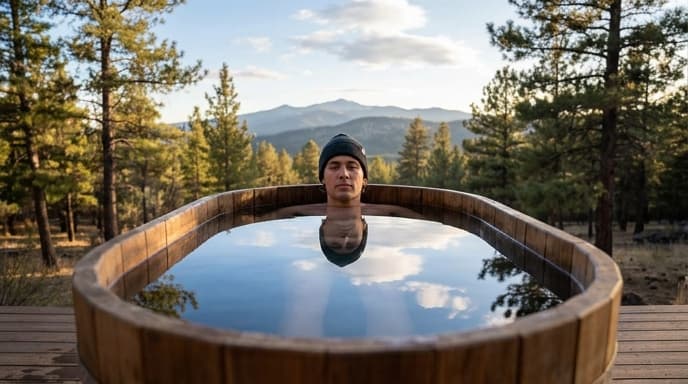
This guide provides a safe, step-by-step protocol for beginners. It's not about being a hero on your first attempt; it's about learning to control your body's response to the cold and gradually adapting over time. Important: Consult with a healthcare professional before beginning any form of cold exposure, especially if you have a cardiovascular condition or any other health concerns.
The 'Why' Behind the Shiver: What Happens in the Cold
When you enter cold water, your body initiates a powerful physiological response. Blood vessels constrict (vasoconstriction), shunting blood away from your extremities to protect your vital organs. Your brain releases hormones like norepinephrine, which can increase focus and alertness. The initial shock triggers a gasp reflex and a fight-or-flight response.
The goal of deliberate cold exposure is to learn to override this initial panic. By controlling your breathing and staying calm, you train your nervous system to handle stress more effectively. This process is a form of hormetic stress—a beneficial, low-dose stressor that stimulates the body to become more resilient.
A Step-by-Step Protocol for Your First Cold Plunge
Safety and consistency are more important than temperature or duration when you're starting out. Never push yourself to the point of violent, uncontrollable shivering.
- Start Cool, Not Cold: Your first few sessions don't need to be in ice water. Start with cool water at the end of your regular shower. Turn the handle to cold for just 15-30 seconds. The goal is to get comfortable with the initial shock.
- Prepare Your Space: If you're moving to an outdoor tub or bath, have a towel, warm clothes, and maybe a warm drink ready for when you get out. Never plunge alone, especially when you are new to the practice.
- Set a Realistic Goal: For your first immersion, aim for a water temperature that feels very cold but tolerable, perhaps around 50-60°F (10-15°C). Your goal is simply to get in and control your breathing for 30 seconds to one minute.
- Focus on Your Breath: Before you get in, take a few deep, calming breaths. As you enter the water, the instinct is to gasp and hyperventilate. Your job is to fight that. Exhale slowly as you submerge, and then focus on extending your exhales. Long, slow exhales signal to your nervous system that you are safe.
- Get Out Calmly: When your time is up, get out of the water deliberately. Don't rush. Your body will feel intensely cold.
- Warm Up Naturally: Your first instinct may be to jump into a hot shower, but it's better to let your body warm itself up naturally. Dry off, put on your warm clothes, and move around a bit. This process, known as 'afterdrop,' is part of the adaptive response.
How Often and How Long?
Consistency is key. A few sessions per week is a great goal. As you adapt, you can gradually decrease the water temperature or increase the duration. Many people find benefits in the 2-5 minute range, but listen to your body. The goal is to feel invigorated and refreshed afterward, not completely depleted.
Frequently Asked Questions (FAQ)
Should I do a cold plunge before or after a workout?
There is some debate on this. Some research suggests that cold immersion immediately after a strength workout might blunt the inflammatory response needed for muscle growth (hypertrophy). For this reason, many people separate their cold plunges from strength training by several hours or do them on non-training days. Using it for general recovery or after cardio is common.
What if I can't stop shivering?
Shivering is your body's natural way of generating heat. Mild shivering is normal, but if you are shivering uncontrollably, it's a sign you've been in too long or the water is too cold for your current level of adaptation. Get out immediately and warm up.
Do cold showers have the same benefits?
Cold showers can be a great entry point into cold exposure and offer some similar benefits, particularly for mental resilience and nervous system training. However, full immersion in a tub or plunge provides a more powerful and systemic stimulus because your entire body is surrounded by cold water.
Key Takeaways
- Always consult a doctor before starting cold water immersion, especially if you have underlying health conditions.
- Start gradually with cool showers before moving to colder temperatures and longer durations.
- The primary goal during a plunge is to control your breathing, focusing on long, slow exhales to calm your nervous system.
- Aim for consistency over intensity. Short, regular sessions are more effective than infrequent, extreme ones.
- Never plunge alone, and have a plan for warming up safely and naturally after you get out.
Related Reading
- How to Structure a Deload Week to Maximize Recovery and Gains
- A Beginner's Protocol for a Post-Workout Sauna Session
- Respiratory Rate: The Overlooked Metric for Recovery and Health