
Cold plunges and ice baths have moved from elite athlete recovery rooms into the mainstream. The practice of deliberate cold exposure is praised for its potential effects on recovery, mood, and resilience. But the idea of submerging yourself in icy water can be intimidating, and doing it without a plan can be unproductive or even risky.
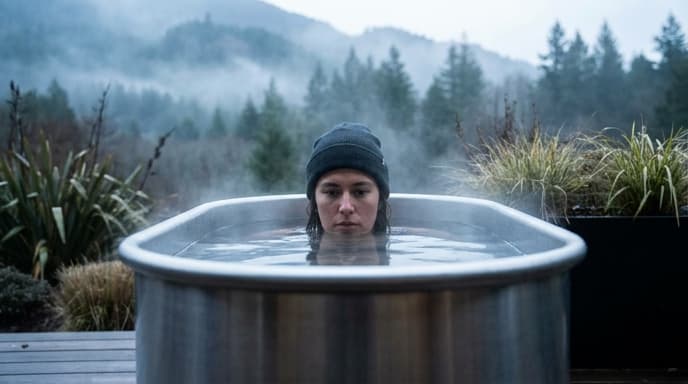
This guide provides a simple, safe protocol for beginners to get started with cold water immersion. We'll focus on what you can control—temperature, time, and your breath—to make the experience manageable and build a consistent practice.
The Science in Brief: What's Happening to Your Body?
When you enter cold water, your body triggers a powerful 'cold shock' response. Your blood vessels constrict (vasoconstriction), your heart rate and blood pressure spike, and you get an involuntary urge to gasp. This is a form of hormesis—a short-term, manageable stress that prompts your body to adapt and become more resilient over time.
The goal of a cold plunge protocol is to learn to control this initial shock response, primarily through your breathing. Gaining control over your nervous system in this state of stress is where many of the reported benefits begin. Always consult a physician before beginning any cold exposure practice, especially if you have any cardiovascular conditions.
A Step-by-Step Protocol for Your First Plunge
Your first few sessions are about acclimatization, not endurance. The goal is to get in, control your breath, and get out safely.
Step 1: Start Cool, Not Cold
You do not need a tub full of ice to get started. Set the water to a temperature that feels very uncomfortable but tolerable. A good starting point is often between 50-60°F (10-15°C). You can use a simple floating thermometer to check. Even a cold shower, ending with 30-60 seconds of pure cold water, is a great way to begin.
Step 2: Set a Timer for 1-3 Minutes
The aim is short, consistent exposure. Most of the initial physiological response happens within the first couple of minutes. Set a timer for a manageable duration, like 60 seconds. You can always get out sooner. The goal is to end the session on your terms, not because you panicked.
Step 3: Focus on Your Breath Before You Get In
Before you enter the water, take a few deep, slow breaths. This helps calm your nervous system before applying the stressor. Do not hyperventilate. The goal is to be calm and controlled.
Step 4: Enter the Water and Control Your Exhale
Enter the water deliberately and submerge yourself up to your neck. Your immediate, involuntary reaction will be to gasp and take short, panicked breaths. Your entire focus should be on one thing: a long, slow exhale. This is the key to overriding the gasp reflex and telling your nervous system that you are in control. Once you control the first exhale, focus on the next one. After 4-5 controlled breaths, the initial panic will subside.
Step 5: Get Out and Warm Up Naturally
Once your timer goes off, get out calmly. Your body will be cold. Resist the urge to immediately jump into a hot shower, as this can be stressful on your system. Instead, dry off with a towel and let your body warm itself up naturally. Light movement, like walking around, can help generate heat.
Building a Consistent Practice
- Frequency Over Intensity: Aim for 2-4 sessions per week rather than one heroic, long plunge. Consistency is what drives adaptation.
- Progress Gradually: Once you are comfortable with your starting temperature and duration, you can progress by either slightly lowering the temperature or adding 30 seconds to your time. Only change one variable at a time.
- Listen to Your Body: If you feel overly fatigued, dizzy, or unwell, end the session. This is about building resilience, not pushing yourself to a dangerous limit.
Frequently Asked Questions (FAQ)
Should I do a cold plunge before or after a workout?
There is some evidence that cold immersion immediately after a strength workout may blunt the inflammatory response needed for muscle growth (hypertrophy). For this reason, many people separate their cold plunges from their workouts by several hours or do them on rest days. Using it before a workout can be invigorating.
Is a cold shower as good as a cold plunge?
A cold shower is a fantastic and accessible way to start with cold exposure. Full immersion in a plunge is generally more potent because it covers your entire body at once, creating a stronger systemic response. However, the best tool is the one you use consistently.
What if my hands and feet hurt a lot?
This is very common. The blood vessels in your extremities constrict dramatically. You can wear neoprene socks and gloves to make the experience more comfortable without losing the core benefits of the trunk immersion.
Key Takeaways
- Start with cool water (50-60°F or 10-15°C) for a short duration (1-3 minutes). You don't need ice to begin.
- The primary skill to learn is controlling your breath, specifically with long, slow exhales, to manage the initial cold shock response.
- Consistency is more important than intensity. Aim for several short sessions per week.
- Warm up naturally after getting out; avoid immediately jumping into a hot shower.
- Always consult a doctor before starting a cold exposure practice, especially if you have pre-existing health conditions.
Related Reading
- A Simple Framework for Structuring Your Day When Working Across Time Zones
- Respiratory Rate: The Overlooked Metric for Recovery and Health
- What Your Resting Heart Rate (RHR) Reveals About Your Recovery