
Modern fitness trackers and smartwatches are packed with sensors that go far beyond step counting. One of the newer additions to devices from companies like Fitbit and others is the EDA sensor, which promises to measure your body's response to stress. But how does it work, and what can the data actually tell you?
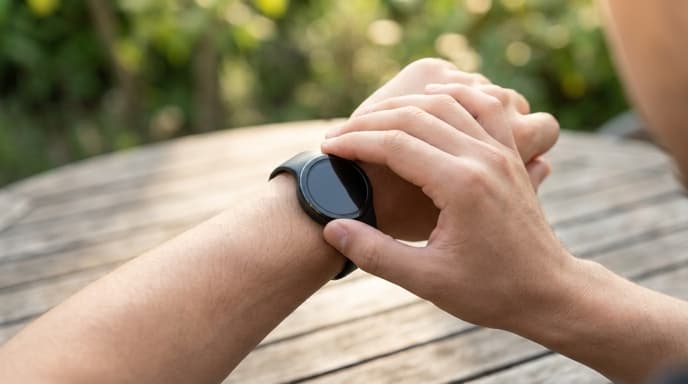
This guide explains the science of electrodermal activity, how your wearable device measures it, and how you can use this information as a tool for better understanding and managing your stress levels. It's a form of biofeedback that can make you more aware of your body's subtle signals.
What Is Electrodermal Activity (EDA)?
Electrodermal activity, also known historically as galvanic skin response, refers to the continuous variation in the electrical characteristics of the skin. In simple terms, it measures tiny changes in the amount of sweat on your skin. These changes are controlled by your sympathetic nervous system—the 'fight-or-flight' branch of your autonomic nervous system.
When you experience stress, excitement, or any form of emotional stimulation, your sympathetic nervous system activates your sweat glands. Even if you don't feel 'sweaty,' the moisture level on your skin increases, which makes the skin more conductive to a tiny, imperceptible electrical current. An EDA sensor is designed to detect these minute changes.
How Your Wearable's EDA Sensor Works
When you initiate an EDA scan on your watch, you're typically asked to place your palm over the face of the device. The sensor then passes a very small, safe electrical current across the surface of your skin. By measuring how easily that current travels, the device can quantify your skin's conductance.
During a scan, which usually lasts a few minutes, the device logs the number of 'EDA responses' it detects. Each response is a momentary spike in skin conductance. More responses during a session suggest a higher level of sympathetic nervous system activation. Your device then provides a score based on this data, often alongside other metrics like your heart rate and HRV during the scan.
How to Interpret Your EDA Data
It's crucial to understand that an EDA sensor does not measure 'stress.' It measures a physiological response that is often associated with stress. That same response can also be triggered by excitement, joy, or intense focus. Context is everything.
- A High Number of Responses: This indicates that your sympathetic nervous system was active during the scan. If you were feeling anxious or worried, this data validates that feeling. If you were excited about an idea, it reflects that.
- A Low Number of Responses: This suggests you were in a calm, relaxed state during the measurement.
- Use It as a Mindfulness Tool: The real power of an EDA sensor is as a biofeedback device. Many wearables pair the scan with a guided breathing or meditation session. The goal is to see if you can actively lower your EDA responses by calming your mind and body. Tracking your score over time can show you if your mindfulness practices are having a physiological effect.
- Look for Patterns: If you take a scan at the same time every day, you might notice patterns. Are your responses higher after a stressful meeting? Lower after a walk outside? This data can help you identify your personal stressors and relievers.
Frequently Asked Questions (FAQ)
Is an EDA sensor accurate?
EDA sensors in consumer wearables are generally considered accurate for detecting changes in skin conductance. However, interpreting that data as 'stress' is subjective. The sensor is accurate at measuring the physiological signal, but you provide the context for what that signal means.
Can an EDA sensor diagnose an anxiety disorder?
No. Absolutely not. An EDA sensor is a wellness tool, not a medical device. It cannot diagnose any medical or mental health condition. If you are struggling with chronic stress or anxiety, it is essential to speak with a qualified healthcare professional.
My EDA responses are always high. Should I be worried?
Not necessarily. Some people naturally have a more reactive sympathetic nervous system. Instead of worrying about the absolute number, focus on the trend and on using the tool for practice. Can you, through breathing exercises, reduce the number of responses during a session? That is a more valuable goal than aiming for a specific score.
Key Takeaways
- An EDA sensor measures electrodermal activity by detecting minute changes in sweat on your skin.
- These changes are controlled by your sympathetic ('fight-or-flight') nervous system and can be triggered by stress, excitement, or focus.
- The sensor does not measure stress directly, but rather your body's physiological response.
- Use your EDA sensor as a biofeedback tool during mindfulness or breathing exercises to see if you can calm your nervous system.
- This is a wellness tool for self-awareness, not a medical device for diagnosing any condition.
Related Reading
- Heart Rate Variability (HRV): A Practical Guide to Your Body's Readiness Signal
- The 5-Minute Journal: A Simple Daily Practice for a Better Mindset
- Habit Stacking: The Simple Way to Build New Routines That Stick