
Subscription services frequently use hidden account settings, automatic annual renewals, and difficult cancellation flows to keep charging customers. Giving merchants a primary debit or credit card number lets them bill recurring charges without direct intervention.
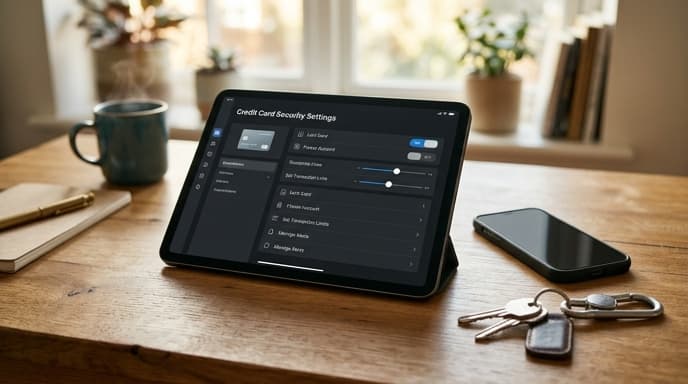
A virtual card subscription pruning protocol uses merchant-locked card tokens with fixed spending caps to prevent unwanted recurring charges.
How Merchant-Locked Virtual Cards Work
Many banks and payment platforms let users generate disposable virtual credit or debit cards linked to their underlying accounts. These cards include distinct protective settings:
- Merchant Locking: The card binds to the first merchant that processes a charge. Any other vendor attempting to charge the card is declined.
- Hard Spending Limits: Users can set an exact dollar ceiling per charge or per month (such as $15 monthly for a streaming service). If the vendor raises prices, the transaction fails.
- Instant Deletion: Closing or pausing the virtual card stops future charges immediately without waiting for merchant confirmation.
The Audit and Migration Routine
Replacing primary card numbers with virtual alternatives requires a quick review of your statement history:
- Pull 90 days of transactions: Review recent bank and credit card statements to list all recurring weekly, monthly, and annual charges.
- Classify utility versus discretionary: Separate essential utility payments from discretionary software, subscriptions, and memberships.
- Generate merchant-specific tokens: Create a separate virtual card for each discretionary service and set a spending limit equal to its current price.
- Update vendor payment settings: Enter the unique virtual card number on each platform's billing profile.
- Burn unused numbers: Pause or delete virtual cards for any service you wish to cancel to block future renewal charges.
Auditing Subscription Lists with an LLM
You can paste recurring line items from your statements into a language model to find forgotten recurring fees:
Prompt: I extracted these recurring line items from my last 3 bank statements: [Paste anonymized list: e.g., NetFlx $15.49, AMZN Prime $14.99, Gym $39.99, Clouddrive $2.99, NewsSub $12.00, MusicStream $10.99, AppTrial $4.99]. Group these charges by category, calculate the annualized total cost of these services combined, and recommend which services represent low-frequency discretionary targets to replace with merchant-capped virtual cards.
Viewing the total annual cost of recurring fees makes it easier to decide which services to keep and which to cut.
Frequently Asked Questions
Does pausing a virtual card legally cancel my service contract?
No. If you signed a binding contract (such as an annual gym membership or phone financing agreement), stopping payment does not end the contract. You must still submit a formal cancellation request per company terms.
Are virtual cards free to create?
Many banks and third-party payment platforms offer basic virtual card generation for free inside their mobile apps or desktop interfaces.
What happens when a merchant tries to bill a deleted virtual card?
The payment network returns an authorization decline, typically indicating an invalid or closed card. The charge does not post to your account balance.
Key Takeaways
- Merchants use automatic renewals and complex cancellation flows to retain subscribers.
- Virtual cards replace primary bank details with merchant-locked payment tokens.
- Setting spending limits stops merchants from raising charges without approval.
- Pausing or closing a virtual card blocks incoming charges immediately.
- Terminating a service contract still requires formal cancellation notice according to vendor agreements.
Related Reading
- Auditing Recurring Subscriptions and Zombie Charges with Local LLM Prompts
- Hardware Tokenization in Wearables: NFC Security in Smartwatches and Rings
- How to Run a Weekly Spending Velocity Check Using an LLM