
A foam roller is a powerful tool for improving mobility and speeding up muscle recovery. But walking into a store or browsing online reveals a huge variety of options: soft, hard, smooth, bumpy, long, and short. Choosing the right one is critical for getting the results you want without causing unnecessary pain.
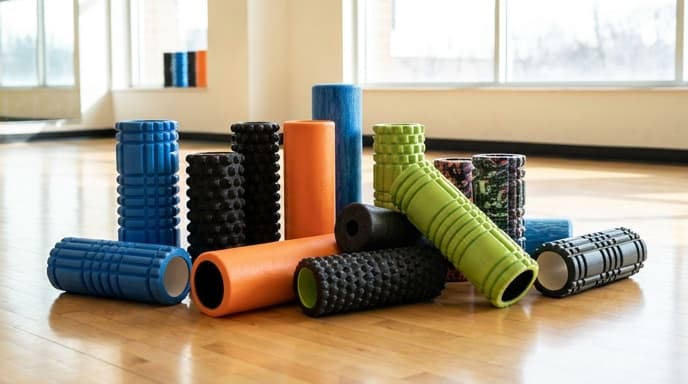
This guide will help you understand the key differences in foam rollers so you can select the perfect one to support your training. Think of it as investing in your body's maintenance plan.
Choosing the Right Density
Density is the most important factor in a foam roller. It determines the intensity of the massage and how much pressure is applied to your muscles. They generally fall into three categories.
- Low-Density (Soft): These are often white or light-colored. They have a softer, more cushioned feel and are ideal for beginners or those who are particularly sensitive to pressure. They provide a gentler massage.
- Medium-Density: Often blue or green, these rollers offer a balance of comfort and effectiveness. They are a great all-around choice for regular use in warm-ups and cool-downs for most people.
- High-Density (Firm): Typically black, these rollers are very firm and provide the most intense, deep-tissue massage. They are best for experienced users, athletes, and anyone who needs to work out serious knots.
Smooth vs. Textured Rollers
After density, the surface of the roller is the next major choice. The texture changes how the pressure is applied to the muscle tissue.
Smooth rollers have a flat, even surface. They provide consistent pressure across the entire length of the roller. This makes them versatile and great for a general massage, especially for larger muscle groups like the quads, hamstrings, and back.
Textured rollers have knobs, ridges, or grids on their surface. These features are designed to mimic the thumbs and fingers of a massage therapist, allowing for more targeted, deeper work on specific knots or trigger points. While more intense, they can be highly effective for releasing stubborn tightness.
What About Size and Shape?
Foam rollers come in different lengths and diameters, and even other shapes entirely.
A longer roller (around 36 inches) is very stable, making it a good choice for beginners. It's wide enough to lay on vertically to work on your back and is easy to control when rolling out large muscles like your legs.
A shorter roller (12 to 18 inches) is more portable and easier to store. It's also more maneuverable for working on smaller, specific areas like calves or arms.
You might also see half-rollers or roller balls. These are specialized tools for specific stretches or for targeting small, hard-to-reach areas like the arches of your feet or your shoulders.
Frequently Asked Questions
Which foam roller is best for beginners?
A low-density or medium-density smooth foam roller is the best starting point. A longer model (36 inches) provides more stability while you're learning the movements.
How do I know if my foam roller is too hard?
If you find yourself tensing up all your muscles, holding your breath, or feeling sharp pain while rolling, your roller is likely too firm. Foam rolling should be uncomfortable, but not excruciating. You should be able to breathe through the discomfort.
How often should I replace my foam roller?
Over time, foam rollers can lose their shape and firmness, especially lower-density models. If your roller has a permanent oval shape or feels significantly softer than when you bought it, it's time for a replacement.
Key Takeaways
- Foam roller density is key: soft for beginners, medium for general use, and firm for deep-tissue work.
- Smooth rollers provide even pressure, while textured rollers offer more targeted, intense trigger point release.
- Longer rollers (36 inches) are stable and great for beginners, while shorter rollers are more portable and maneuverable.
- If rolling causes sharp pain or makes you hold your breath, your roller is probably too firm for you.
- Choose a roller that matches your experience level and recovery needs to get the most benefit.
Related Reading
- The 3-Item Minimalist Gym You Can Pack in Any Suitcase
- How to Choose an Ergonomic Gaming Chair for Health and Comfort
- What Your Resting Heart Rate (RHR) Reveals About Your Recovery