
Subscription-based training apps have exploded in popularity, offering everything from guided meditations to high-intensity workout programs. They promise convenience and expert guidance for a fraction of the cost of a personal trainer. But with so many options, how do you choose one that will help you reach your goals instead of just draining your bank account?
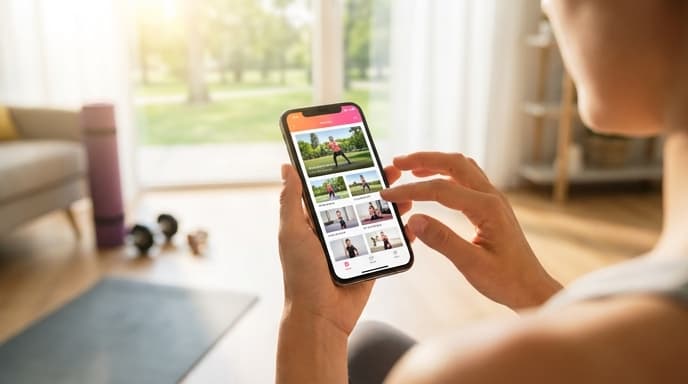
Instead of jumping on the latest trend, use this four-part framework to systematically evaluate any training app. This will help you see past the slick marketing and find a platform that genuinely fits your needs, preferences, and lifestyle.
1. Program Quality and Structure
This is the foundation of any good training app. A flashy interface means nothing if the workouts themselves are poorly designed. Look for signs of a structured, progressive approach.
- Progressive Overload: Does the app offer programs that get progressively harder over time? Random workouts are fine for variety, but a structured program is what drives long-term results.
- Qualified Instructors: Who is designing the programs and leading the classes? Look for apps that are transparent about their trainers' certifications and experience.
- Clear Instructions: During a workout, are the cues clear and helpful? Does the app provide modifications for different fitness levels or for common injuries? Use the free trial to actually do a workout and see.
2. Variety and Content Library
Even the best program can become boring if you do it forever. A good app should have enough variety to keep you engaged for the long haul.
Consider the types of content offered. Does it align with your interests? If you love yoga but also want to lift weights, does the app cater to both? Look for variety in workout length as well. It's important to have options for a quick 15-minute session on a busy day, as well as longer, more intense workouts for when you have more time.
3. Community and Accountability
One of the biggest challenges of digital fitness is staying motivated without the in-person accountability of a gym or class. Many apps try to solve this with community features.
Does the app have leaderboards, team challenges, or a social feed where you can connect with other users? For some people, these features are a powerful motivator. For others, they're a distraction. Decide how important this social aspect is to you. At a minimum, look for an app that provides a clear calendar or tracking system that encourages you to maintain a consistent streak.
4. Data Tracking and Integration
If you're serious about your progress, data matters. A good training app should make it easy to track your performance and see how you're improving over time.
Check if the app can log weights used, reps completed, or workout duration. Does it integrate with your wearable devices, like a fitness watch, to pull in heart rate data? The best apps connect with larger health ecosystems like Apple Health or Google Fit, allowing you to see your workouts in the context of your overall health data, like sleep and daily activity.
Frequently Asked Questions
How can I try an app without committing?
Almost every reputable fitness app offers a free trial period, typically ranging from 7 to 30 days. Use this time to its fullest. Try different types of workouts, explore the content library, and see if the app's style of motivation works for you. Just remember to set a calendar reminder to cancel before the trial ends if it's not a good fit.
Are more expensive apps always better?
Not at all. Price often reflects brand recognition, production value, or the fame of the instructors. A less expensive, more focused app might be a much better fit for your specific goals than a high-priced app that tries to be everything to everyone.
What if I don't have any equipment?
Most multi-disciplinary fitness apps have a large selection of bodyweight-only workouts. Look for a filter in the app's workout library that allows you to search for 'bodyweight' or 'no equipment' classes to see how robust their offerings are.
Key Takeaways
- Evaluate an app's core training programs for structure and progression, not just random workouts.
- Use the free trial to assess the quality of instruction and see if the teaching style clicks with you.
- Consider the variety of content and workout lengths to ensure the app can fit into your life long-term.
- Decide if community features motivate you or distract you, and choose accordingly.
- Prioritize apps that offer robust data tracking and integrate with your existing health apps and wearables.
Related Reading
- How to Calibrate Your New Fitness Wearable for More Accurate Data
- A Practical Guide to Autoregulation in Your Training
- The 5-Minute Journal: A Simple Daily Practice for a Better Mindset