
When holding digital assets and cryptographic keys offline, using software on regular computers or phones leaves secrets open to malware and memory scrapers. Dedicated hardware wallets store private keys inside isolated microcontrollers, signing transactions internally without exposing raw key material to the computer.
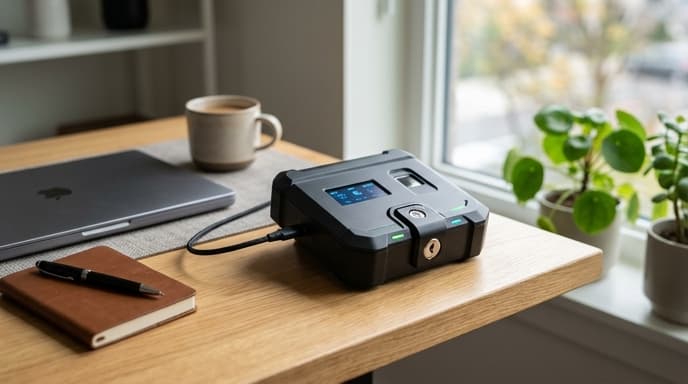
When comparing hardware models, the primary technical consideration is the choice between certified proprietary Secure Elements and open-source general microcontrollers.
Secure Element (SE) Chips and Common Criteria Ratings
A Secure Element is an integrated circuit built to resist physical probing, fault injection, and side-channel attacks. These chips appear in payment cards, biometric passports, and modern smartphones.
When reviewing device specifications, look for the Common Criteria Evaluation Assurance Level (EAL). Chips rated EAL5+ or EAL6+ have passed independent lab testing showing that the physical hardware resists power analysis and electromagnetic probing even if someone has physical access to the device.
Firmware Architecture: Open-Source Verifiability vs Non-Disclosure Limits
Proprietary Secure Elements require non-disclosure agreements with chip manufacturers, preventing vendors from publishing the full source code for the underlying hardware drivers. This results in two different design strategies:
- Proprietary Secure Element Devices: Provide strong resistance against physical theft and laboratory hardware extraction, but require users to trust the vendor compiled firmware.
- Open-Source Microcontroller Devices: Run fully auditable, reproducible firmware on general-purpose chips. The code can be checked for vulnerabilities by anyone, but these chips are more vulnerable to physical attacks if the device is lost or stolen.
- Dual-Chip Architectures: Combine an open-source application processor with a dedicated Secure Element chip to provide both public code verification and physical hardware protection.
Supply Chain Integrity and Air-Gapping Specifications
In addition to chip architecture, examine how the device connects to computers and how it is shipped:
- Direct Vendor Procurement: Order hardware storage devices directly from the manufacturer rather than third-party resellers or auction sites to reduce the risk of pre-configured or modified units.
- Anti-Tamper Packaging: Look for tamper-evident packaging, ultrasonic housing welds, or cryptographic attestation during setup that verifies the firmware is genuine.
- Air-Gapped Communication Modes: Some devices do not use USB data lines, relying instead on QR-code scanning or microSD cards to transfer transaction files, keeping the device electrically separated from the host computer.
Frequently Asked Questions
What does an EAL rating signify on a hardware device?
An Evaluation Assurance Level (EAL) indicates how rigorously an independent lab tested the chip against physical tampering, with EAL6+ showing resistance to advanced laboratory attacks.
Can a hardware wallet be drained if someone steals the physical device?
A configured wallet requires a PIN and erases itself after a set number of incorrect attempts. Without advanced chip-decapping equipment, a thief cannot access the stored keys.
Are paper backups still required when using a hardware wallet?
Yes. The hardware device simply holds your keys for daily use. If the unit breaks, is lost, or stops working, your offline recovery phrase is the only way to restore your funds.
Key Takeaways
- Hardware wallets keep private keys isolated from internet-connected computers when signing transactions.
- Secure Element chips with EAL5+ or EAL6+ ratings protect against physical side-channel probing.
- Open-source firmware allows code audits but often runs on microcontrollers with less physical tamper protection.
- Dual-chip devices combine an open application processor with a dedicated Secure Element.
- Purchase hardware wallets directly from the manufacturer to avoid supply-chain tampering.
Related Reading
- Hardware Wallet Firmware Attestation: How Cryptographic Custody Is Verified
- Secure Enclave Transaction Signing: Mobile Hardware as Personal Cold Storage
- Air-Gapped Financial Backup Hardware: Encrypted USB vs Paper Seed Storage