
You've seen elite athletes plunge into tubs of ice water after a grueling competition. Cold water immersion, or the modern ice bath, is a widely used recovery tool, but its effectiveness is often debated. While it's not a magic bullet, when used correctly, it can be a valuable part of your recovery strategy, particularly for reducing muscle soreness.
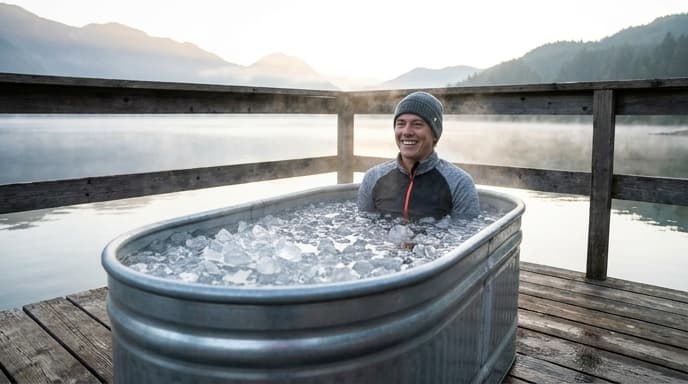
The key is to follow a specific protocol. Simply jumping into freezing water without a plan can be ineffective and even risky. This guide will walk you through the science, the method, and the best practices for using cold water to your advantage.
How Does Cold Water Immersion Work?
The primary theory behind cold water immersion relates to its effect on blood flow and inflammation. When you immerse your body in cold water, it causes your blood vessels to constrict (a process called vasoconstriction). This is thought to help flush metabolic waste products out of your muscles.
When you get out of the water, your body warms up, and the blood vessels dilate (vasodilation), bringing fresh, oxygenated blood back to the tissues. This process, along with the cold's effect on nerve endings, is believed to reduce swelling, inflammation, and the perception of pain associated with delayed onset muscle soreness (DOMS).
The Cold Water Immersion Protocol
To get the benefits without unnecessary risks, you need to control three key variables: temperature, duration, and timing.
- Temperature: The scientifically supported range is between 50-59°F (10-15°C). Going colder doesn't necessarily mean better results and can increase risks. Use a thermometer to be precise.
- Duration: The sweet spot for immersion is between 10 to 15 minutes. Staying in longer offers no additional benefits and can be dangerous.
- Timing: For best results in reducing muscle soreness, use cold water immersion within the first hour or two after a particularly intense training session or competition.
When Not to Use an Ice Bath
While great for recovery from intense efforts, cold water immersion may not be ideal after every single workout. Some research suggests that the cold can blunt the inflammatory response that signals the body to adapt and build muscle. Therefore, it's best to use it strategically.
Avoid ice baths after your regular strength training sessions if your primary goal is muscle hypertrophy (growth). Save it for times when rapid recovery is the priority, such as during a multi-day tournament or after a maximal-effort performance that leaves you exceptionally sore.
How to Take Your First Ice Bath
1. Prepare the Bath: Fill a tub with cold water first, then add ice gradually until you reach the target temperature. Using a thermometer is highly recommended.
2. Start Slow: For your first time, you may want to start with a warmer temperature (around 60°F / 15°C) and a shorter duration (5 minutes). You can also immerse only your lower body.
3. Focus on Your Breath: The initial shock will cause you to gasp. Focus on taking slow, controlled breaths (like box breathing) to calm your nervous system. The intense feeling will subside after the first 1-2 minutes.
4. Get Out Carefully: After 10-15 minutes, exit the bath slowly. Your coordination may be impaired. Warm up gradually with a towel, warm clothes, or a warm drink. Avoid taking a hot shower immediately, as this can be a shock to the system.
Frequently Asked Questions
Is a cold shower just as good?
A cold shower can provide some benefits, like stimulating the nervous system, but it's not the same as immersion. Immersion creates a consistent hydrostatic pressure and temperature around the muscles that a shower cannot replicate for recovery purposes.
What are the risks of ice baths?
The primary risk is hypothermia if you stay in too long or the water is too cold. It can also be dangerous for individuals with pre-existing cardiovascular conditions. Always consult a doctor if you have any health concerns.
Does it actually speed up muscle repair?
The evidence is mixed. It seems to be most effective at reducing the sensation of soreness, which allows an athlete to feel better and perform again sooner. It may not directly speed up the cellular repair process itself.
Key Takeaways
- Cold water immersion is a tool for reducing muscle soreness and enhancing recovery after intense exercise.
- The optimal protocol is 10-15 minutes at a temperature of 50-59°F (10-15°C).
- Use it strategically for recovery, not necessarily after every strength workout if muscle growth is the primary goal.
- Control your breathing to manage the initial cold shock.
- Consult a healthcare professional before trying cold water immersion if you have any underlying health conditions.
Related Reading
- How to Use a Foam Roller to Boost Muscle Recovery
- How to Structure a Deload Week to Maximize Strength and Recovery
- Box Breathing: A 4-Second Technique for Instant Calm and Focus