
Traveling is a break from routine, but it shouldn't be a break from feeling your best. Unfamiliar food options and a lack of control can easily lead to relying on processed snacks and heavy restaurant meals, leaving you feeling sluggish and off-track. The key isn't to follow a rigid diet, but to adopt a flexible framework that guides you toward better choices.
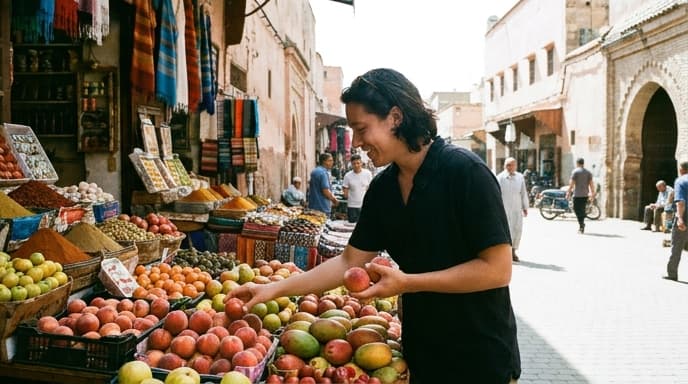
This system is built on a few core principles that you can apply in any airport, hotel, or city in the world. It’s about being prepared, making mindful decisions, and enjoying your travels without sacrificing your well-being.
Principle 1: Always Be Prepared
The moment you feel ravenously hungry in an airport terminal is when you're most likely to grab the first convenient, processed snack you see. The best way to avoid this is to pack your own emergency snacks.
- What to Pack: Focus on non-perishable, nutrient-dense options. Good choices include protein bars, nuts, seeds, or single-serving packets of protein powder you can mix with water.
- The Benefit: Having a healthy option on hand gives you control. It tides you over until you can find a proper meal, preventing impulse decisions you'll regret later.
Principle 2: Locate a Grocery Store
As soon as you check into your hotel, your first mission should be to find the nearest grocery store or local market. This is the single most impactful step you can take for your travel nutrition.
- What to Buy: You don't need a full kitchen. Stock up on simple, healthy staples. Think fresh fruit (apples, bananas), yogurt or cottage cheese, pre-cooked hard-boiled eggs, vegetable sticks, and plenty of bottled water.
- The Benefit: This gives you healthy, easy options for breakfasts and snacks, reducing your reliance on expensive and often unhealthy hotel breakfasts or room service.
Principle 3: Build Your Plate Around Protein and Vegetables
When you eat out, you can't always control how food is prepared, but you can control what you order. Use this simple rule for constructing your meals: make sure there is a significant source of protein and at least one serving of vegetables on your plate.
- Protein First: Protein is highly satiating, meaning it helps you feel full and satisfied. Prioritizing it can prevent overeating less nutrient-dense foods. Look for grilled chicken, fish, tofu, beans, or eggs.
- Fill Up on Fiber: Vegetables provide essential vitamins, minerals, and fiber, which also contributes to fullness. Ask for a side salad or extra steamed vegetables with your meal.
- The Benefit: This simple mental checklist ensures you're getting the most important macronutrients and micronutrients, even when you're eating at a restaurant.
Principle 4: Hydrate Intelligently
Thirst is often mistaken for hunger. Traveling, especially flying, is dehydrating. Staying on top of your fluid intake is crucial for maintaining energy levels and managing appetite.
- Carry a Water Bottle: Always have a reusable water bottle with you. Fill it up after you pass through airport security and keep it full throughout the day.
- Drink Before You're Thirsty: Sip water consistently, rather than waiting until you feel parched. This is especially important on travel days.
Frequently Asked Questions
How can I handle hotel breakfast buffets?
Navigate them strategically. Start at the protein station: look for eggs, yogurt, or cottage cheese. Add a piece of fruit. Only then, if you are still hungry, look at the pastries and cereals. This prevents you from filling your plate with refined carbs first.
What about enjoying local cuisine and indulging?
Absolutely! This framework is not about restriction. It's about balance. By making consistently good choices for most of your meals, you create space to mindfully enjoy a special local dish or dessert without guilt. Plan for it and savor it.
Is it okay to skip a meal while traveling?
If your schedule is packed and you're not hungry, it's generally fine. It's better to skip a meal than to eat a low-quality, processed snack out of obligation. Listen to your body's hunger cues.
Key Takeaways
- Prevent poor food choices by packing your own healthy, non-perishable snacks like protein bars or nuts.
- One of your first tasks upon arrival should be to find a local grocery store for healthy staples.
- When eating out, build your meal around a source of lean protein and a serving of vegetables.
- Stay well-hydrated, as thirst can often be mistaken for hunger, especially during air travel.
- Plan to indulge and enjoy local specialties mindfully, knowing that your overall framework is solid.
Related Reading
- A Protocol for Staying Hydrated While Flying
- High-Protein Meal Prep: Freezer Smoothie Packs
- The 5-Minute Savory Cottage Cheese Bowl