
Traveling is tough on routines, especially when it comes to nutrition. Airports, train stations, and highway rest stops are notorious for being 'food deserts' where the easiest options are often the least healthy. But with a simple framework, you can navigate these choices and fuel your body properly.
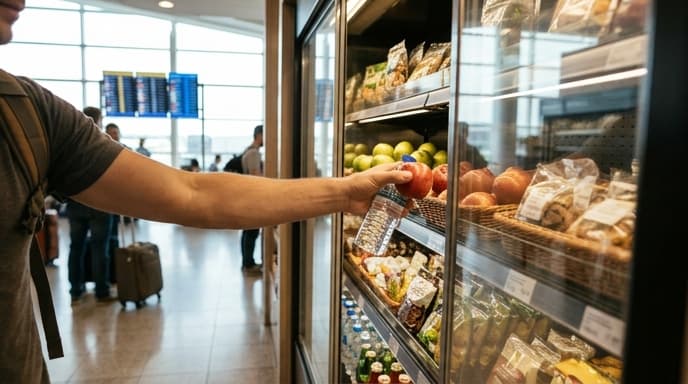
Instead of searching for a perfectly 'clean' meal, your goal should be to find the best available option. This means prioritizing three key things: protein, fiber, and hydration. This combination will keep you full, maintain stable energy levels, and help you avoid the sluggishness that comes from high-sugar, highly processed foods.
Your Decision-Making Framework: The PFH Rule
When you're scanning the options, ask yourself these three questions. A food or meal that checks at least two of these boxes is usually a solid choice.
- P - Protein: Does it have a decent source of protein? Think eggs, yogurt, nuts, seeds, jerky, or grilled chicken. Protein is key for satiety.
- F - Fiber: Does it contain fiber? Look for fruits, vegetables, salads, or whole grains. Fiber also helps with fullness and digestion.
- H - Hydration: Can you pair it with water? Always choose water over sugary sodas, juices, or energy drinks. Staying hydrated is crucial, especially when flying.
Navigating the Airport Terminal
Airports have improved their food offerings, but navigating them still takes effort. Your best bet is often the small convenience store or newsstand-style shop.
What to look for:
- Grab-and-Go Coolers: These are your best friend. Look for Greek yogurt, hard-boiled eggs, cheese sticks, hummus packs with pretzels, and pre-made salads.
- Whole Fruit: Almost every shop will have a basket of bananas, apples, or oranges near the checkout. Grab one or two.
- Snack Aisle: Skip the candy and chips. Look for individual bags of almonds, walnuts, or trail mix. Protein bars can be good, but check the label for high sugar content.
- Coffee Shops: Beyond coffee, these places often have oatmeal, egg bites, and protein boxes that contain cheese, nuts, and fruit.
Making the Best Choice at a Gas Station
Highway rest stops and gas stations are more challenging, but not impossible. The same principles apply: look for protein and fiber.
- Start at the refrigerators. This is where you'll find items like cheese sticks, yogurt, and sometimes even hard-boiled eggs.
- Check the nut aisle. A bag of almonds or pistachios is one of the best choices you can make. Beef jerky is another high-protein option.
- Look for whole fruit. Many gas stations now have a small basket of fresh fruit.
- If you need a meal, some larger travel centers have delis with sandwiches or salads. If fast food is the only option, choose grilled over fried and get a side salad instead of fries.
FAQ: Eating Healthy on the Go
What are some healthy snacks I can pack from home?
Bringing your own snacks is the best strategy. Good options include protein powder (just add water), nuts, homemade trail mix, jerky, and apples. This way, you're not at the mercy of whatever is available.
Is it better to eat a small, unhealthy snack or just wait until I reach my destination?
For a short trip, waiting is often fine. But for long travel days, getting overly hungry can lead to poor choices and overeating later. A small, imperfect snack like a bag of nuts from a gas station is usually better than arriving at your destination ravenous.
What about fast food?
If you must, make smart modifications. Order a grilled chicken sandwich or salad. Skip the sugary dressings and sauces. Remove the top bun from your burger to reduce refined carbs. And always, always choose water as your drink.
Key Takeaways
- When traveling, aim for the 'best available option' rather than the 'perfect' meal.
- Prioritize Protein, Fiber, and Hydration (PFH) to stay full and maintain energy.
- In airports, search the grab-and-go coolers in convenience shops for yogurt, eggs, and salads.
- At gas stations, look for nuts, jerky, cheese sticks, and whole fruit.
- Packing your own snacks is the most reliable way to eat healthy while traveling.
Related Reading
- A Simple Framework for Eating Healthy While Traveling
- The Traveler’s Hydration Protocol: How to Feel Your Best After Flying
- Nutrient Timing for Travel Days: A Guide to What and When to Eat